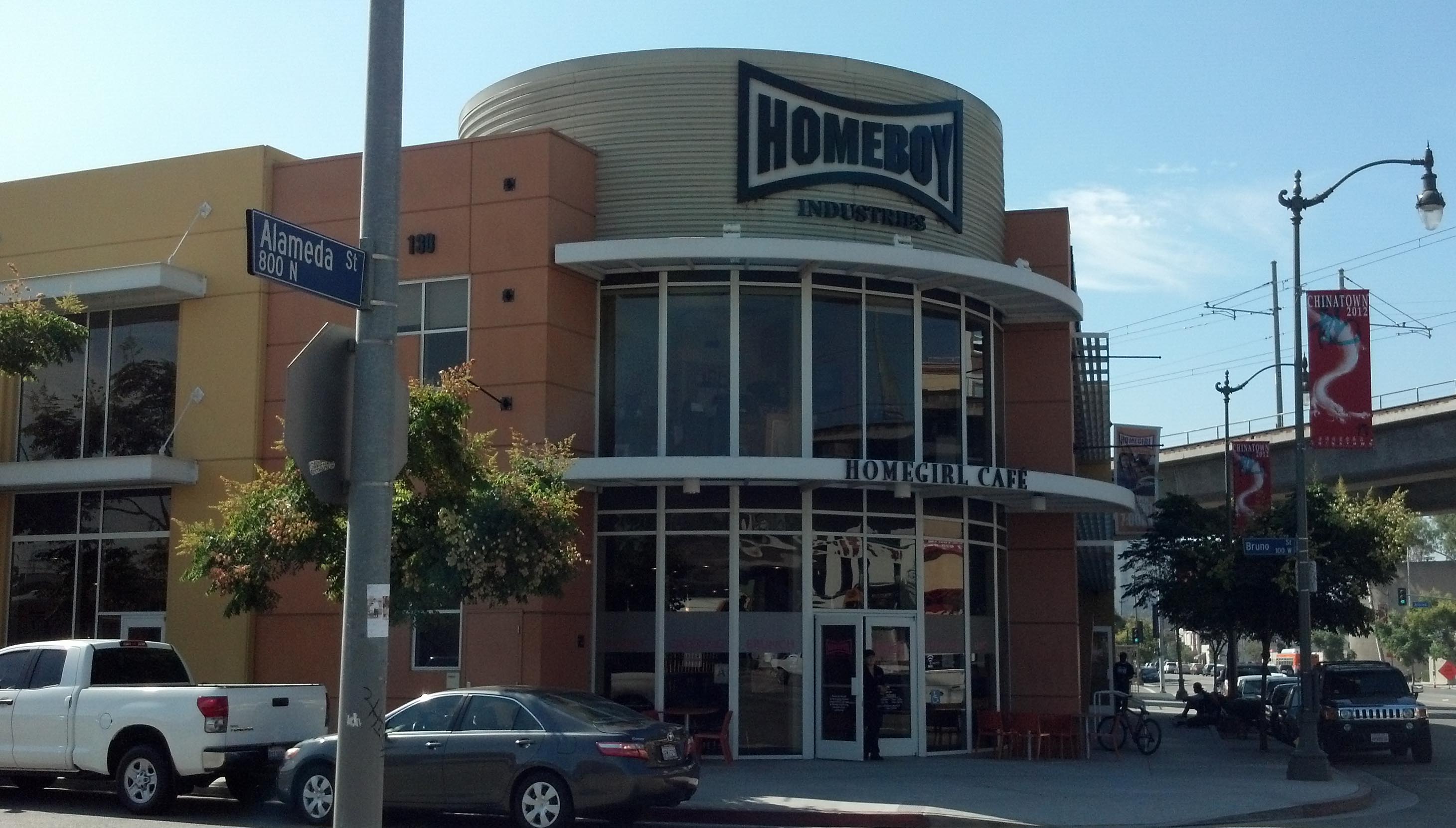
Father Greg Boyle is a rock star in Los Angeles. His status is a reflection of his strong faith; it’s not based on short-lived trends or fickle fashion. He’s revered for his efforts – actions which give more than lip service – to helping former gang members contribute positively to society. He started Homeboy Industries whose slogan is “Jobs Not Jails,” in 1988. Homeboy offers a range of services from tattoo removal to education, from counseling to career placement, and boasts several social enterprises, including the Homegirl Café, that put people to work.
The Café is run primarily by women with former gang affiliations or who have lived in dangerous domestic violence situations. The Café, as with the other enterprises, gives people a chance to learn conventional social skills while becoming economically independent.
In LA it’s possible everyone who ventures into the Café knows the story. Although it’s a good one, the fresh, enticing food is the real reason to stop by. Sure, it’s a great cause, but this is far from a charity case. All the women work hard, know the food and serve it with pride. It helps that much of the 100 percent organic produce is grown in Homeboy mini-farms.

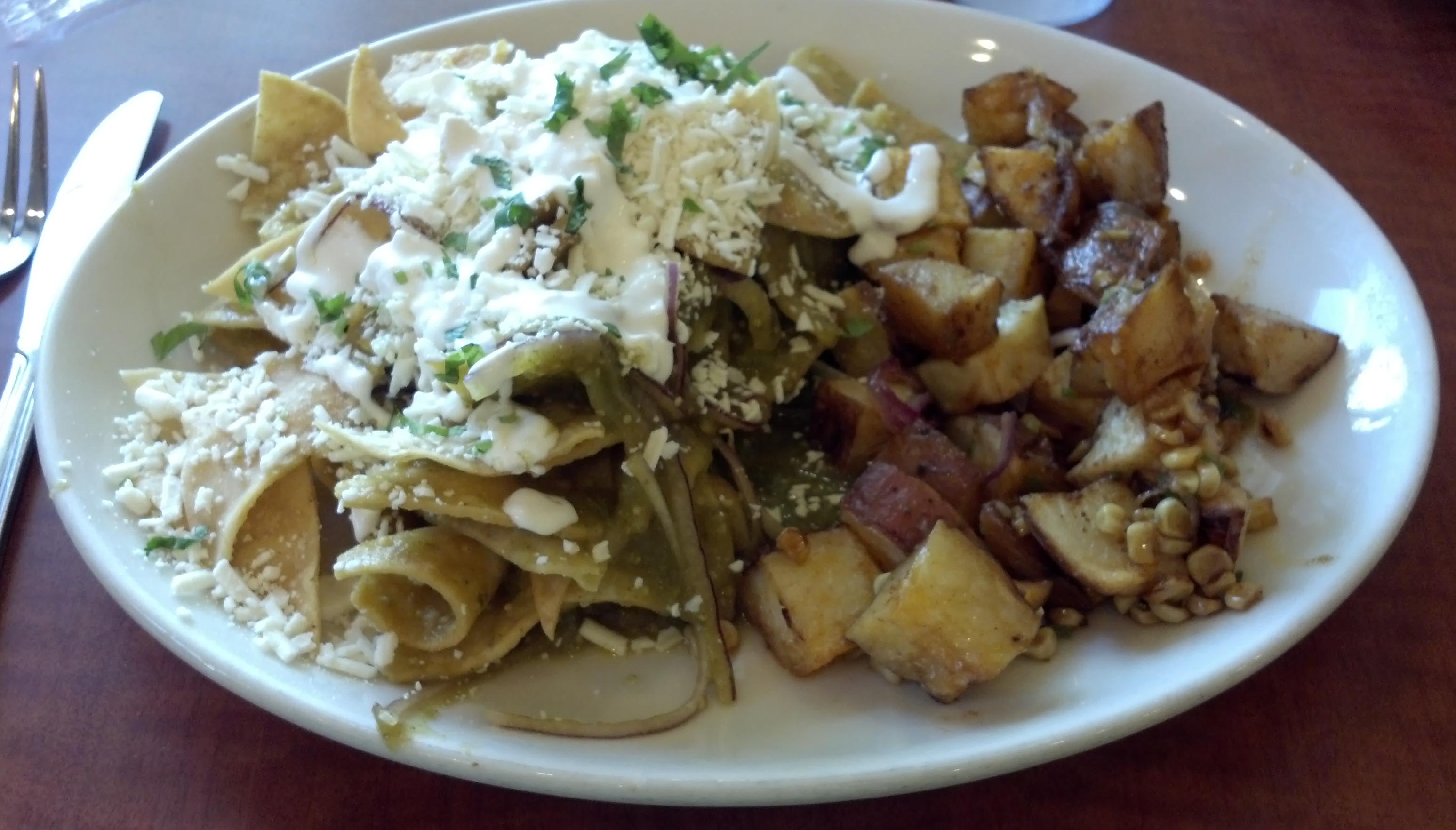
Most of the menu items have a Latino flair. Chilaquiles combine fresh corn tortilla chips covered in a green salsa that relies more on flavor than fire. It’s topped with crema fresca and crumbly cotija cheese, and red onions. They’re breakfast super nachos, a great way to jump start the morning. There are a few alternatives to the mostly-spicey entrees, including Blueberry Multi-grain and Quinoa Pancakes. These taste as healthy as they sound, but the refreshing burst of blueberries in almost every bite makes them seem decadent.
Homegirl Café
Four Plates
130 W. Bruno St.
Los Angeles, CA
Breakfast and lunch served Monday through Saturday

I was on the library’s waiting list for Gillian Flynn’s Gone Girl for months. When it was finally ready for me to check out, I was impatient to start reading. After mentioning this to a friend, her reaction was less than exuberant, it was baffling. After all, the novel was so popular there’d been hundreds ahead of me waiting for a library copy. It’s been on Publisher Weekly’s list of Best Hardcover Fiction for 15 weeks – and appears pretty comfortable there. I pressed my friend for more, but she held fast: we’d talk when I finished.
Gone Girl is a mystery on several levels, including how I spent time living with such unlikeable characters for the past week? The story follows the disappearance of Amy on her fifth wedding anniversary. By all indications, her husband, Nick, is responsible. Amy and Nick alternate as narrators. The book is divided into three sections. The first focuses on the disappearance, possibly abduction or possibly murder. Nick comes across as shallow and surprised, not upset, at his wife’s unexplained absence. He seems guilty, which is reinforced by Amy-as-victim told through diary entries.
The second and third sections of the book reveal much more about Amy’s ability to weave complicated webs of deceit. It’s not that Nick is suddenly less appalling, but Amy is more so. Flynn is a craftswoman. Her characters are fully developed as repulsive and intriguing. They’re also scary, always a good thing for a mystery, and I couldn’t look away. I need to talk to my friend.
Gone Girl
Four Bookmarks
Crown Publishers, 2012
415 pages
I was tempted to revisit Giampietro’s when my husband and I recently returned to Breckenridge, but I knew we should venture some place new. Good call because we discovered Relish. We dined al fresco on a not-quite-chilly-not-at-all-warm evening where we enjoyed exceptional food and superior service.
Relish features an extensive wine list and a menu heavy on choices with unusual flavor profiles. I love avocados, but it never occurred to me to fry one; I had to try this appetizer served with duck confit, honey-glazed shredded carrots and chimichurri sauce. The avocado was lightly coated with panko before it was pan-fried. The result was a crunchy shell with a creamy interior. The other ingredients complemented one another surprisingly well.
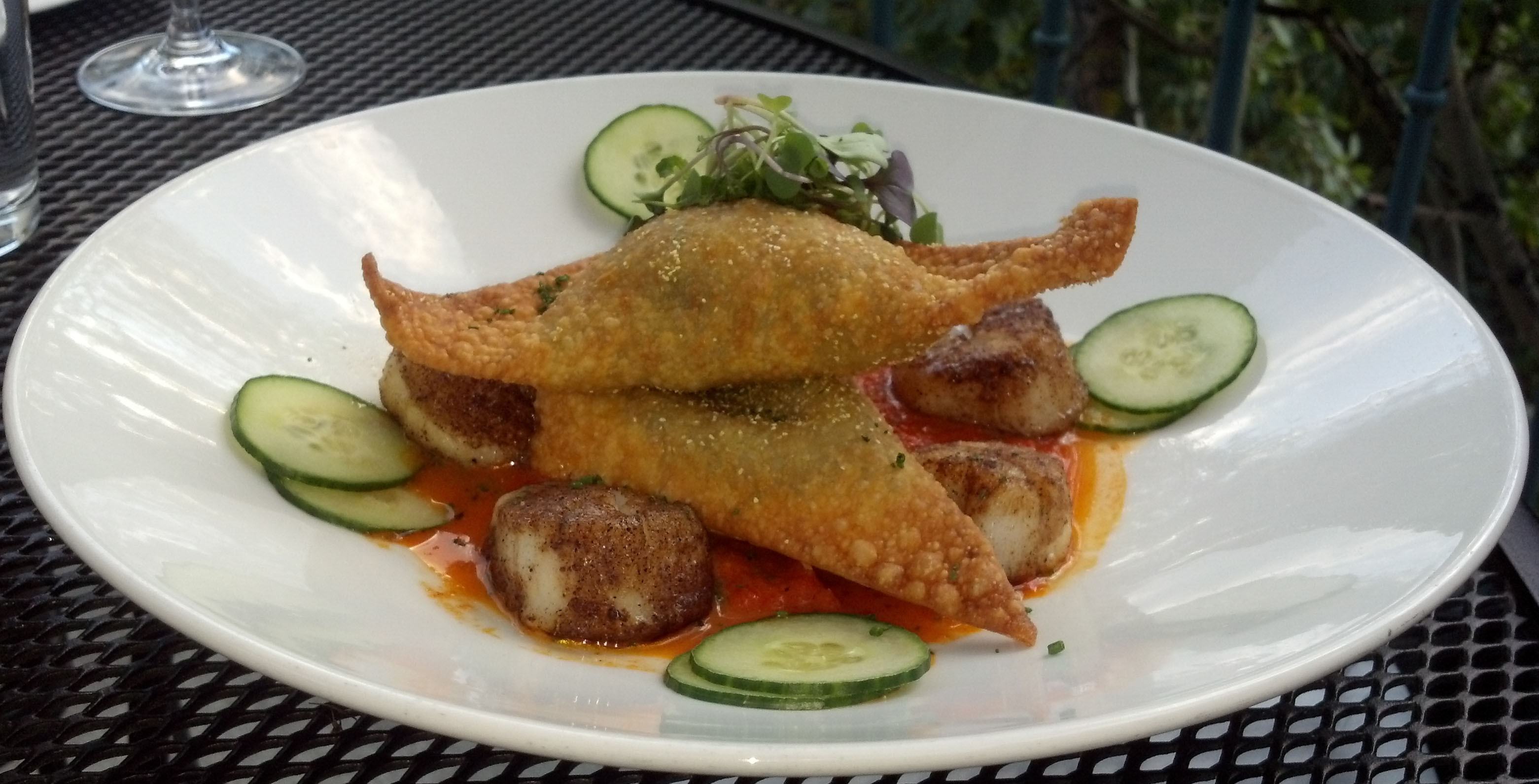
To me, the sign of a good menu is when there are several entrees that sound appealing. At Relish there were at least four I found intriguing, but, with some direction from our server, I went with the Almond-crusted Opah served with miniature squash, wild rice with corn and split pea all embellished with a refreshing, creamy lemon sauce. The fish was flakey, subtle and a perfect match for the sauce. My husband ordered the Porcini-crusted sea scallops served with crispy raviolis filled with mushroom and ricotta. They looked like large wontons, and were clumsy to eat yet fascinating – although I only got one bite.
Our server was knowledgeable without being condescending. She was friendly but not effusive; she enhanced the meal, which is an art.
Relish
Four-and-a-half Plates
137 S. Main St.
Breckenridge, CO

I wasn’t sure if I wanted to wait to acknowledge the first anniversary of The Blue Page Special next month, or do a shout out for this my 100th post. Then I thought, hey I can do both — if I want. It’s a cool milestone: 100 posts. Along the way I’ve experienced some great and not-so-good books and meals, discovered new blogs and learned more about myself.
Mostly, I’m grateful for my readers. Some are family members; many are people I’ve known for years and still others are new-found friends who simply share a common interest in books and/or food. I must admit, though, I was thrilled when the number of followers I’ve never met began to slowly (very slowly) surpass those I know personally. This is not meant to disparage my friends, because I appreciate your support more than I can express. Rather, it’s just an odd sense of validation.
I’d love to be able to make a living writing about books and food, or just books, or just food. Instead, I teach at a community college (something I enjoy a lot), read as much as possible (something essential in my life), dine out more than I should (something I find exceptionally enjoyable), and love my family (something self-explanatory). Although only one of those helps pay any bills, my blog has made me more disciplined in my writing and my readers have made me want to be as creative, honest and as worthy of your time as possible. Thanks for being part of the ride.
National Cheeseburger Day was this week. The place for burgers, just good old fashioned burgers, is Cy’s Drive-In. It’s an anachronism. Not just because of the carhops, Formica tables, and Elvis and James Dean posters; it’s the food, especially the messy burgers and thick shakes. Cy’s has been serving traditional drive-in fare since 1953.
The menu board features variations on burgers and includes a few items requiring explanation like Texas Toothpicks. Green chile and grill sandwiches such as BLTs and Pork Tenderloin add variety, but the burgers are the way to go. With or without cheese, the “top of the line” beef patties are juicy and substantial; lettuce, tomato and onion, with mustard and catsup, on a standard bun round out the flavors.The fries are just okay. In fact, they’re weakest part of the menu. The shakes, on the otherhand, truly stand out and are made with fruit and whole milk. Bits of bananas, cherries or strawberries clog the straws, so it’s helpful to have a tall spoon ready to scoop out the thick, rich goodness. A variety of other fountain treats includes sundaes, cones and floats.

The dining area is often full, but picnic tables line the exterior, and there’s always that carhop service that started almost 60 years ago. Overall, the simple food’s pretty tasty, which is no small feat for take-out, dine-in or eating in the car. By the way, those Texas Toothpicks are deep-fried thin strips of onions and jalapenos served with Ranch dressing on the side. Who knew?
Cy’s Drive-In Restaurant
Three-and-a-half Plates
1833 W. Unitah St.
Colorado Springs, CO
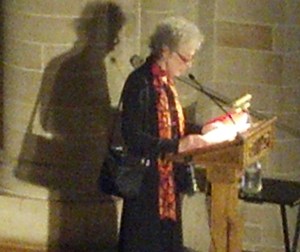
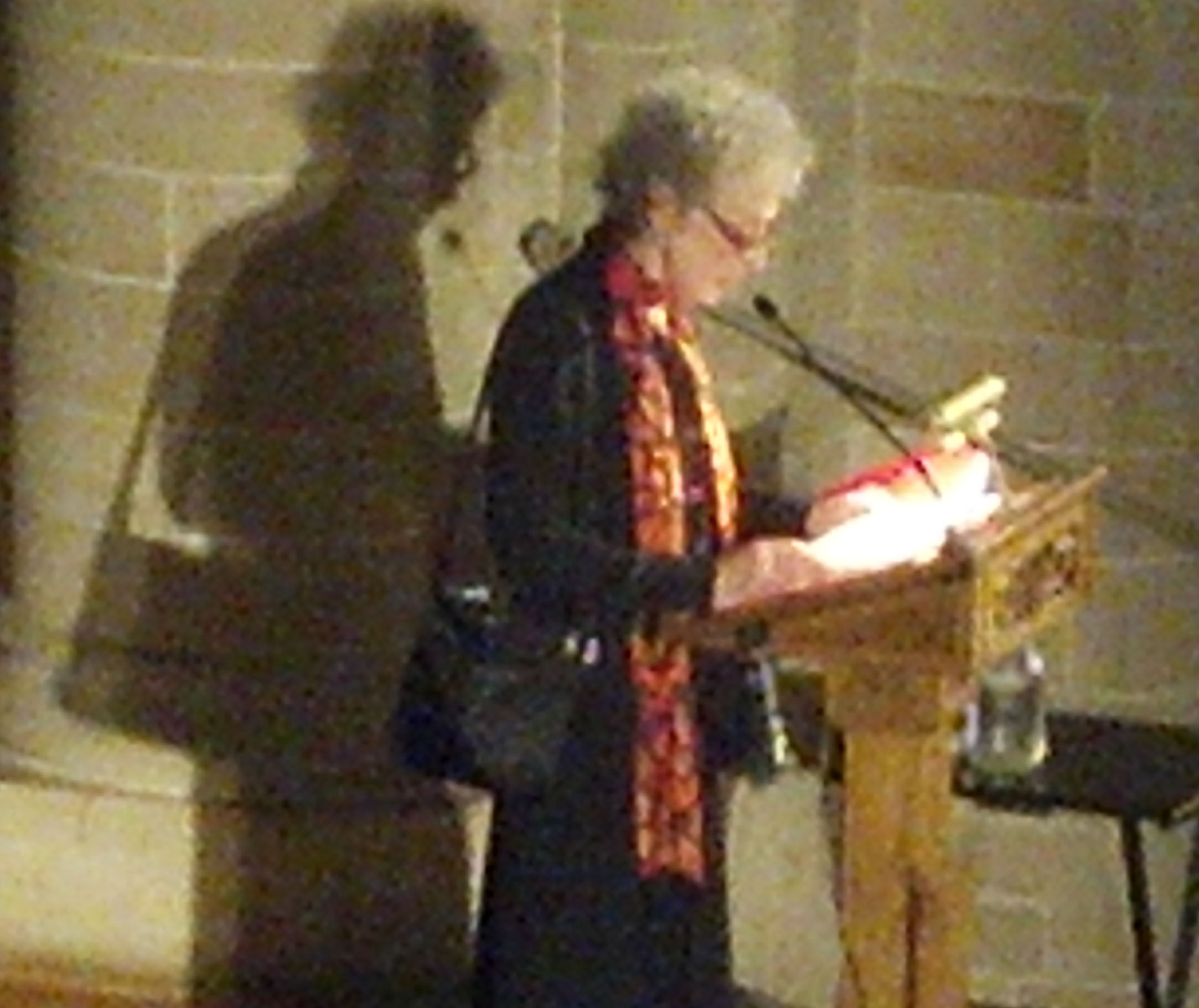
Usually, I’m not a Margaret Atwood fan. She makes it so difficult, through depressing stories and odd characterizations, to appreciate her wit, imagery and intellect. Reluctantly, I read The Year of the Flood. It was the choice for my book group, and the All Pikes Peak Reads 2012 selection. As part of the APPR festivities, Atwood spoke about sustainability and survival: two prevalent themes in her works.
Surprisingly, once I started reading I was anxious to continue. Although Atwood dismisses claims The Year of the Flood is a post-apocalyptic tale, nothing better describes it. The story takes place in a time when mutations, genetic engineering and an order of fear prevail. The flood refers to an unknown deluge caused by man’s errors and destructive predispositions. It is not a natural phenomenon; it’s a “waterless flood.”

God’s Gardeners is a small cult with a foundation in Christianity that celebrates the lives of such people as Rachel Carson and Euell Gibbons, among others, for the contributions they made to saving the environment. The Gardeners strive to protect nature and prepare for (and later survive) the flood. Within the cult, Toby and Ren, represent maturity and youth, respectively. Their narratives move the story forward. Atwood said she purposely incorporates multiple voices in her works because “I don’t like everyone to sound the same.” Toby is represented in third person, while Ren offers a first person perspective. The sermons of Adam One, the Gardeners’ leader, begin each chapter using second person voice.
I’m glad I read this and even more pleased to have heard Atwood speak. It provided insight into her work, but mostly served to demonstrate her keen sense of humor, which fortunately surfaces in this novel. A novel, by the way, which has, as Atwood stated, “A ray of hope.”
The Year of the Flood
Four Bookmarks
Anchor Books, 2009
431 pages

Me, Who Dove into the Heart of the World is the cumbersome and complex title of Sabina Berman’s debut novel. Yet, it turns out to be just about perfect. The me refers to the first word narrator Karen Nieto learns. She is 10 years old when her mother dies and her aunt moves into the family home in Mazatlan. It’s her aunt who teaches her to speak, loves her and later defers to her in business matters. Her aunt also identifies Karen as an autistic savant.
The family operates a tuna fishery, which has a profound impact on Karen’s education and sensitivities. If this is beginning to sound vaguely similar to Temple Grandlin’s story, it should. It’s about overcoming perceptions and obstacles. It’s about the ability to be so focused, to the exclusion of everything else including social norms, that success can’t help but surface. Karen evolves from a gangly girl with matted hair to a gangly woman with a buzzcut; along the way she develops a humane fishery.
The story spans 32 years including Karen’s schooling, business developments and interactions with others. After being tested, and self-identifying as “Different Abilities,” Karen learns “… in 90% of standard measures of intelligence (she is) somewhere between imbecile and idiot, but in 10% (she is) on top of the world.”
The most poignant moments are those between Karen and her aunt. Although Karen goes on to do great things, the most moving and inspirational are the leaps she makes in this relationship.
Me, Who Dove into the Heart of the World
Four Bookmarks
Henry Holt and Co., 2012
242 pages

We discovered The Range Café in Bernalillo years ago when we used travel to New Mexico for soccer tournaments. Bernalillo is home to the original Range, but there are two other locations down the highway in Albuquerque. We try to time our travel so we can stop for a meal: usually breakfast or lunch. Recently, we arrived for a late lunch on a weekend afternoon. The restaurant is cavernous, albeit festive; nonetheless, we were in for a 10 to 15 minute wait unless we sat at the bar, which we did.
Colorful, original art and Western décor adorn the walls, as do numerous references to ranges. Not a range as in open prairie, but as in stove. This makes sense, because there is plenty of good cooking going on.
The emphasis is on comfort food: meat loaf, mac and cheese, sandwiches, salads and a standard selection of Mexican dishes. I knew we still had more than five hours left in our drive home, so I didn’t want to overeat. I ordered the Veggie Sandwich with slabs of mozzarella, tomatoes, grilled zucchini, thinly fried onions all pressed between a sliced baguette lathered with pesto aioli! This was a garden on bread. The only disappointment was the tomato which lacked that fresh taste of summer. Although other sides are available, I swear when I ordered I only saw sweet potato fries listed, nothing else was on the page.

I ate only half my lunch and still slept afterward – fortunately, my husband was driving.
The Range Café
Four Plates
925 Camino Del Pueblo
Bernalillo, N.M.
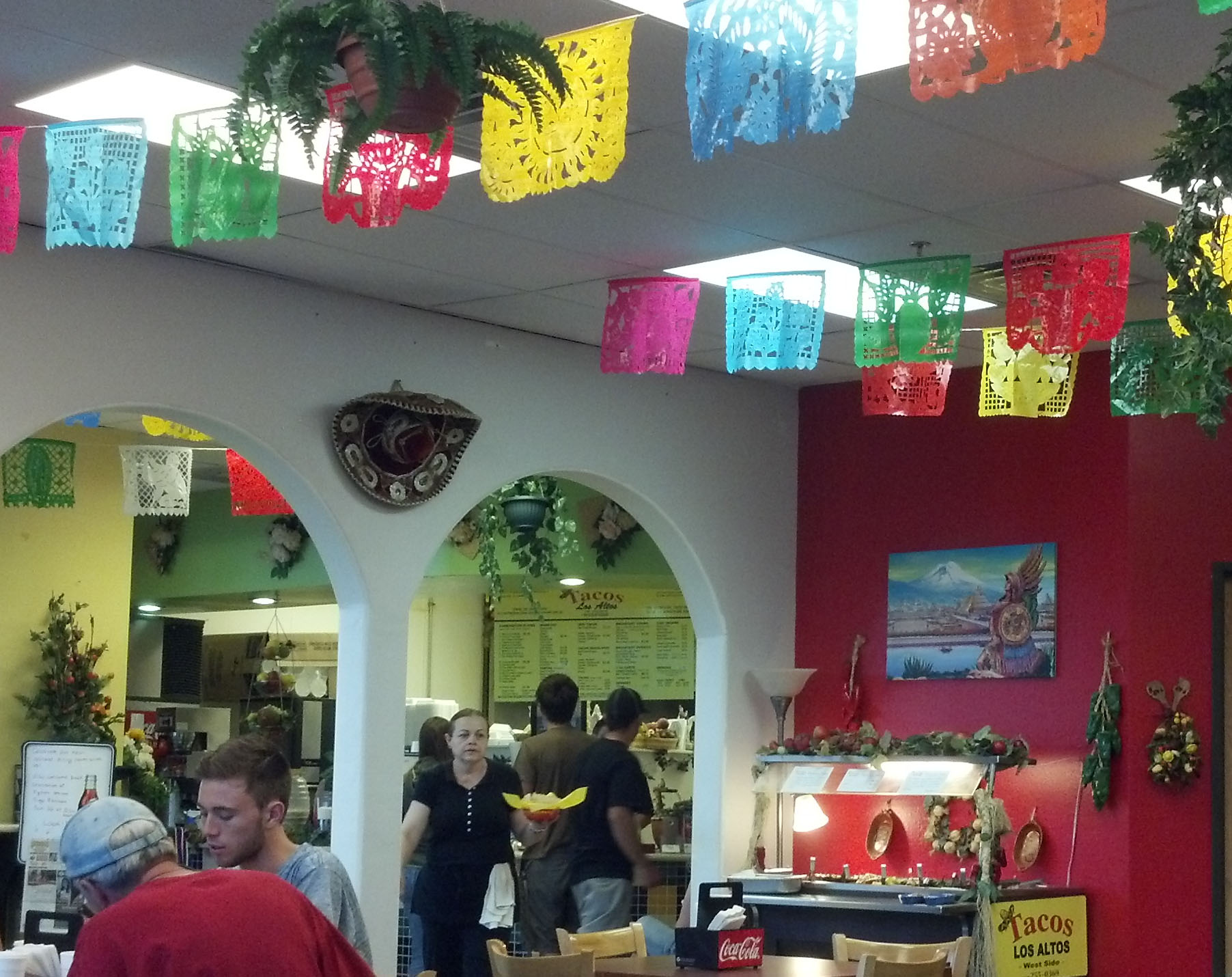
Finding good Mexican food in Arizona is a no-brainer, but thinking to look in a Flagstaff strip mall took some thought. Thanks to our son who attends NAU, we found Tacos Los Altos. It’s been serving an “Authentic Taste of Mexican Homemade Food” since 1999. The mall location has been open four years, and expanded to more than double its space this summer. Only the increase in square footage has changed; the food remains fresh and flavorful.
This is a place-your-order-at-the-counter establishment. The food is brought to the table, but standing at the counter reading the extensive menu can be a bit daunting. That’s why I just went with the daily special listed on the wipe board: Carne Asada, tortillas, rice, beans and soda for $6.99. My husband and son scrutinized the menu a little longer and decided on the beef burrito and ham torta, respectively.
From the outside, Tacos Los Altos is nondescript. The interior, however, is bright, colorful and friendly. A serve-yourself salsa bar features almost too many choices. Pico de Gallo and the green salsa were rich and piquant – they were just right.

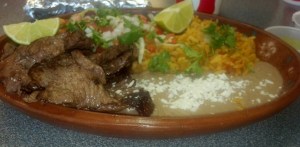
Shortly after placing my order, the carne asada was removed from the wipe board. Mine was apparently among the last available. The meat was a little dry but the flavor remained. The rice and beans were winners; the true champion was my husband’s beef burrito filled with chile con carne that makes my mouth water just thinking about it. We eventually traded plates.
Tacos Los Altos
Three-and-a-half Plates
2500 S. Woodlands Village Blvd. S
Flagstaff, AZ

I don’t know what it is that makes me crave Scandinavian crime fiction, but I’m addicted. Sweden’s Hakan Nesser’s Mind’s Eye fed my habit, but I know I’ll need more soon. Nesser is a master storyteller whose pacing is neither rushed nor sluggish. The crime scenes aren’t too gruesome and the clues are well hidden. He even manages to throw humor into the mix.
The story begins with Janek Mitter awakening from a drunken stupor only to find his wife drowned in the bathtub. Mitter’s too easy a suspect, but is, nonetheless, tried and convicted before things take a turn and get exciting: Mitter, too, becomes a victim. That’s where Chief Inspector Van Veeteren, a middle-aged investigator with an attitude, comes in. His success rate at solving crimes is impressive. He had early doubts about Mitter’s guilt, but not soon enough.
I had a fairly good idea about who the actual killer was, but was not prepared for why. Van Veeteren knows who but won’t name names because, as he tells a subordinate, “… there has to be a story,” in other words a reason. Nesser’s characters develop slowly, and in an interesting manner. Many chapters begin with stream of consciousness narration and it is unclear who’s doing the thinking. This only enhances the element of suspense. Eventually, it gives way to very clear identities and perspectives.
This is the first of Nesser’s Van Veeteren mysteries. I can’t wait for my next fix, I mean the next installment. Fortunately, Nesser has several.
Mind’s Eye
Four Bookmarks
Pantheon Books, 2008
278 pages