Archive for the ‘emotions’ Tag
Set in the small town of Crosby, Maine, many of Elizabeth Strout’s previous (and distinctly different) characters populate the town and novel.
Bob Burgess, a semi-retired lawyer, takes on a case involving a lonely, isolated man accused of murdering his mother.
Bob has a long-standing relationship with Lucy Barton and reluctantly finds himself falling in love with her, despite being married. Lucy is divorced, but lives with her ex-husband William. Still, Lucy and Bob regularly walk together talking about the many aspects of their lives. There are many things they reveal only to each other.
Olive Kitteridge is another familiar character known for her cantankerous, usually, insensitive, dealings with others. Olive lives in a retirement home; she and Lucy often spend time together sharing stories about people they’ve known or situations they’ve experienced. The women attempt to give these stories meanings, but often they are simply glimpses of life’s ups, downs and unknowns.
Strout imbues the novel with empathy and intrigue. There are Bob’s emotions, not just his love for Lucy, but the emptiness he feels following his sister-in-law’s death and concern for his client charged with murder. Interestingly, even Olive has more empathy than disdain for those around her (although in limited doses). Lucy is in more of a recipient; her feelings for Bob are never fully disclosed, although suggestions are inferred.
Descriptions of small-town life, changes in seasons and day-to-day routines of the characters are, in Strout’s hands, much more interesting than they might otherwise be.
Tell Me Everything
Four Bookmarks
Random House, 2024
326 pages
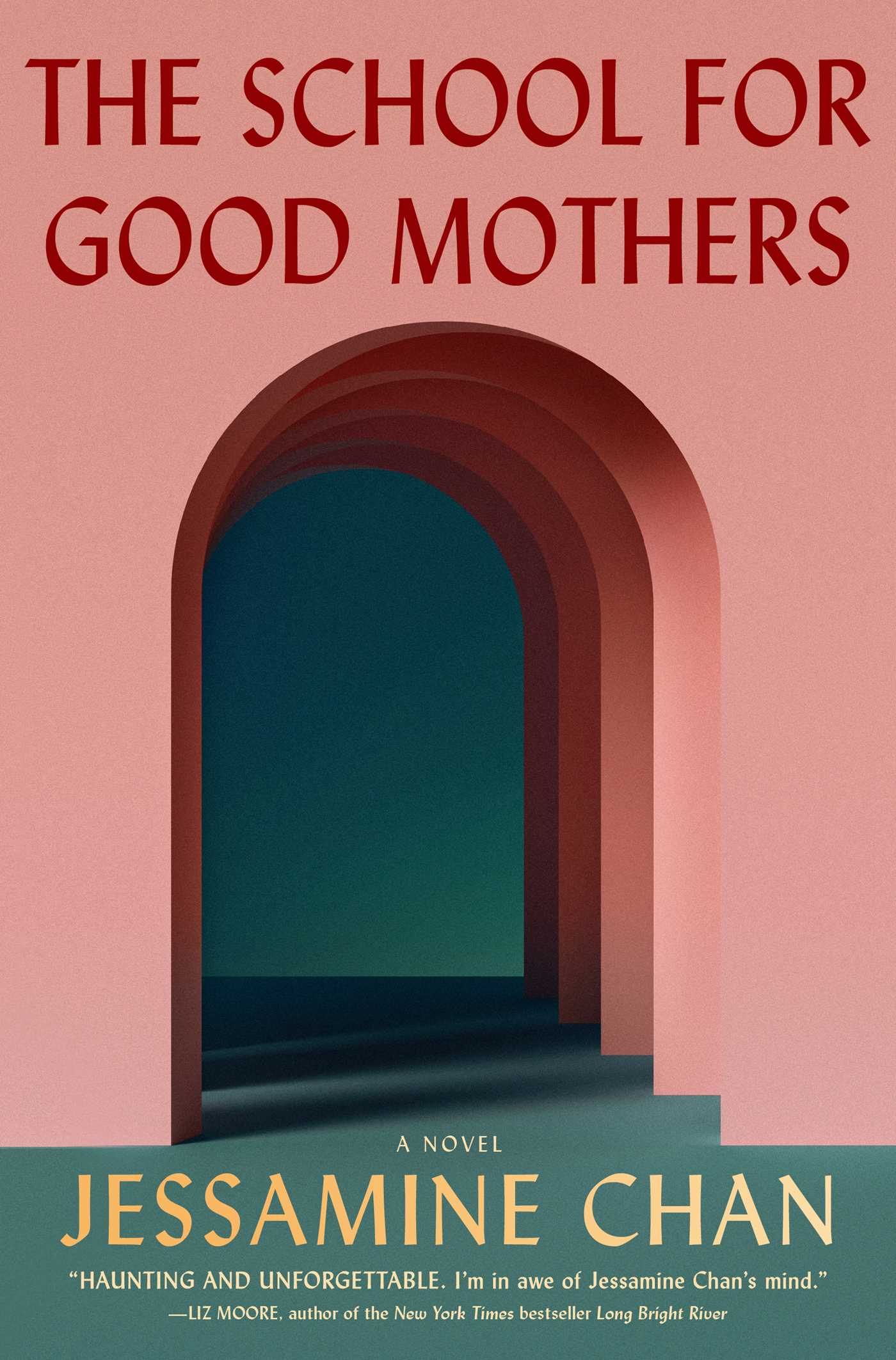
When considering what I know about mothering, I must thank my mother first and foremost. I may not be the stellar student, but she is the exceptional teacher. With this in mind, I found Jessamine Chan’s ironically-titled The School for Good Mothers heart-wrenching. Chan’s writing evokes a range of emotions related to the subject of child rearing, neglect and relationships. The reader is left with much to consider.
Many women have neither strong role models, nor good maternal instincts. Both are true for Frida, mother of a toddler, whose limits are tested thanks to a lack of sleep, her job and the recent separation from her husband and his relationship with a younger woman.
One day, Frida leaves her young daughter, Harriet, home alone to run an errand. Frida is gone for two hours.
Of course, this is irresponsible and unforgivable. However, what evolves is also unacceptable. Frida is subjected to 24-hour surveillance and limited supervised visits with Harriet.
The only way for Frida to be reunited with Harriet is to undergo a year-long program designed to teach her, and other mothers, to be a better parent. Here’s where things go off the rails. Some of the women’s infractions are horrendous, others accidental. The mothers are incarcerated and given robotic dolls on which to hone their skills. The staff is unsympathetic and the parenting courses are often unreasonable (ie., speaking “motherese”).
Chan’s characters are vividly portrayed. Their losses are palpable. Child abandonment warrants repercussion, but not through draconian means.
The School for Good Mothers
Four Bookmarks
Simon & Schuster, 2022
324 pages
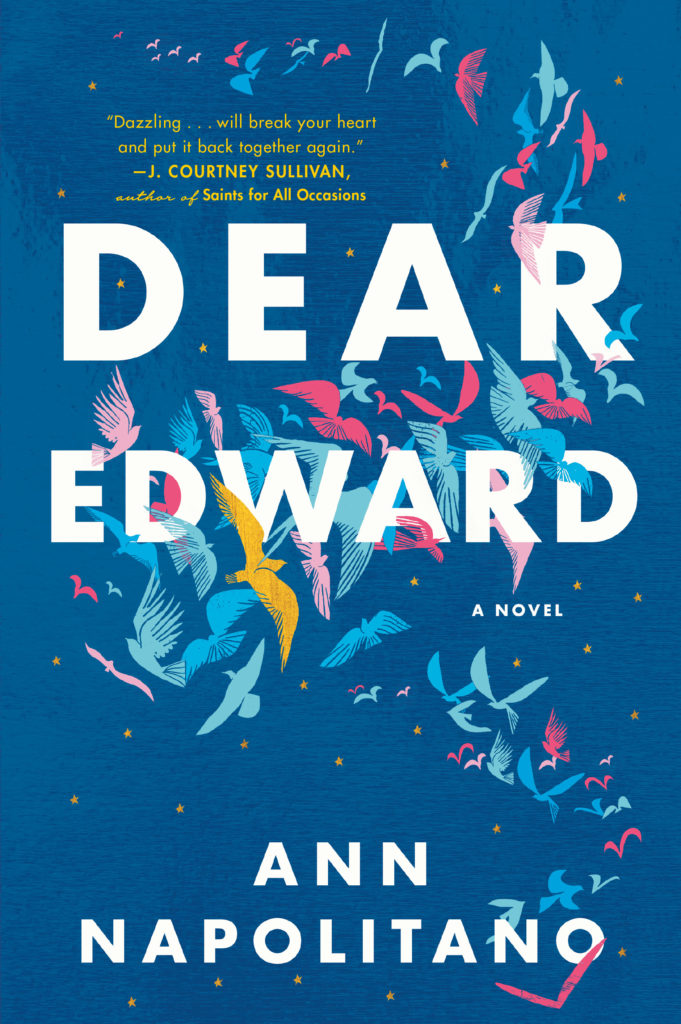
Dear Edward made me cry – multiple times with sad and happy tears, and (spoiler alert) not only at the end. Ann Napolitano has crafted a moving novel about loss, survival and choices.
Eddie Adler is 12 years old when he boards a Los Angeles-bound flight from New Jersey with his older brother Jordan and their parents. He’s the only survivor when the plane crashes; thereafter he’s known as Edward.
Alternating between Edward’s recovery over the span of three years, are chapters chronicling the flight ranging from the mundane (seating arrangements and in-flight meals) to the captivating (vivid descriptions of some passengers and conversations).
Although he survived, Edward is emotionally broken. He was close to his parents and Jordan, only three years older. He moves in with his maternal aunt and uncle. All grieve their losses.
The personalities of a few passengers are richly portrayed. The more the author invests in their development, the harder it is to accept knowing they die in the crash.
Edward develops a connection with Shay, the no-nonsense girl next door. She has a history of being on the fringe with her peers, which is where Edward finds himself; as a survivor he’s an oddity. Their friendship is a thing of beauty. Many challenge Edward’s reluctance to move forward, but Shay is the most consistent.
His discovery of a cache of letters written after the accident provides glimpses of his fellow passengers, the good and bad of human nature, and reasons to look ahead.
Dear Edward
Five Bookmarks
The Dial Press, 2020
340 pages
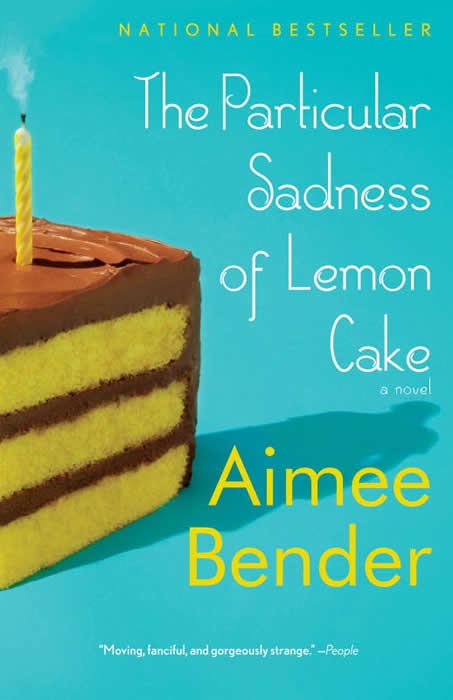
Aimee Bender’s second novel, The Particular Sadness of Lemon Cake, is quirky but glum. The premise follows Rose, the young narrator, and her ability to discern people’s emotions through the food they prepare. This is in stark contrast to the concept that cooking and eating meals are meant to be enjoyed and shared. Poor Rose must develop a strategy to avoid knowing more than she cares or wants, but, of course, she also has to eat.
It doesn’t help that Rose’s family is on the eccentric side to begin with. Lane, her mother, is flighty. And, as Rose deduces from her mother’s cooking, Lane is also very unhappy. Rose’s father is distant and professional. Her brother, Joe, is a genius void of social skills, with an enigma of his own. Despite the food affliction, Rose is pretty much the clan’s anchor with Joe’s friend, George.
Bender deftly portrays the efforts young Rose endures to, at first, keep her disorder a secret and, eventually, live with it. Rose is wise and perceptive; she is smart enough not to reveal too much. Although there are a few light moments, it’s more than a slice of cake that’s particularly sad. Rose and most everyone around her are all woefully unhappy.
The story’s saving grace is Bender’s writing which blends melancholy with the bizarre, while throwing sensitivity and a bit of wry humor into the mix. She’s also excellent at describing a Los Angeles neighborhood that doesn’t rely on tired landmarks.
The Particular Sadness of Lemon Cake
Three-and-and-half Bookmarks
Doubleday, 2010
292 pages



 The Blue Page Special