Author Archive

The Storied Life of A.J. Fikry by Gabrielle Zevin is the literary equivalent of a triple chocolate dessert. It’s rich, nuanced and meant for those who love chocolate, or in this case, books.
A.J. is an ill-tempered man running a bookstore on an Atlantic coastal island. The store does a brisk summer tourist business. Otherwise it’s a slow, quiet livelihood for A.J., whose wife has been dead for almost two years. But, he’s not old. He’s not even middle-aged. He is, however, a snob, particularly when it comes to literature, and he’s set in his ways, such as they are, as a lonely and often rude man.
Parts of this novel are entirely predictable, but in all the right spots. A.J. meets someone, actually three someones, who change his life: Amy, a publisher’s sales rep; Lambiase, the local police chief; and Maya, the two-year-old child abandoned in his shop. Despite some unsurprising turns, Zevin writes with humor and poignancy. She also displays a knowledge of books.
The relationships also allow A.J. to accept the greater world around him, for better and worse. It helps that the three persons who share his life are book nerds. Lambiase, who is only ever referred to by his last name, is the last to jump on board as a reader. His evolution from a by-the-rules cop is fun and warm. It’s A.J.’s connections to Amy and Maya that resonate the loudest through their shared passion for pages that need to be turned by hand.
The Storied Life of A.J. Fikry
Four-and-a-half Bookmarks
Algonquin Books, 2014
260 pages

If Ruth Reichl published her grocery lists, I’d read them. I’ve enjoyed all her books and remember many editorials/stories from her days prior to and at Gourmet magazine. She’s high on my list of someone I’d to meet – although I’m sure I would say nothing to make a positive impression.
Delicious! is Reichl’s first work of fiction. Previously, her focus was nonfiction, but a story teller as good as Reichl can make words and images come alive no matter the genre. The novel blends Reichl’s knowledge and passion for food with the publishing business, restaurant world and thriving culinary scene of New York City. The story follows Billie Breslin as she lands her first job as an editorial assistant with Delicious!, a Gourmet-like magazine with an expansive history.
Billie has secrets, including an aversion to cooking despite having a palate that easily identifies all the ingredients in whatever she tastes. Billie is the focus, but Reichl also introduces a diverse cast of characters, including, James Beard peripherally. Billie and a colleague discover letters written to Beard by Lulu Swan, a young girl from Akron, Ohio. As Lulu’s story unfolds it’s not just her correspondence with Beard that grows, but Billie does, too. She evolves from a self-deprecating young woman to a more confident and lively person. Billie’s transformation from ugly duckling is predictable, but still enjoyable.
The fun continues as Billie embarks on a quest to discover what happened to Lulu and recognizes the richness of her own life.
Delicious!
Four+ Bookmarks
Random House, 2014
380 pages

I was surprised at the diversity of restaurants, in addition to Mexican, in San Cristobal de las Casas: Argentine, Indian, Japanese, Italian, French, Thai, among others – even Burger King and Subway can be found. After my mini mole marathon I was ready for something else: Italian. There are several to choose from.

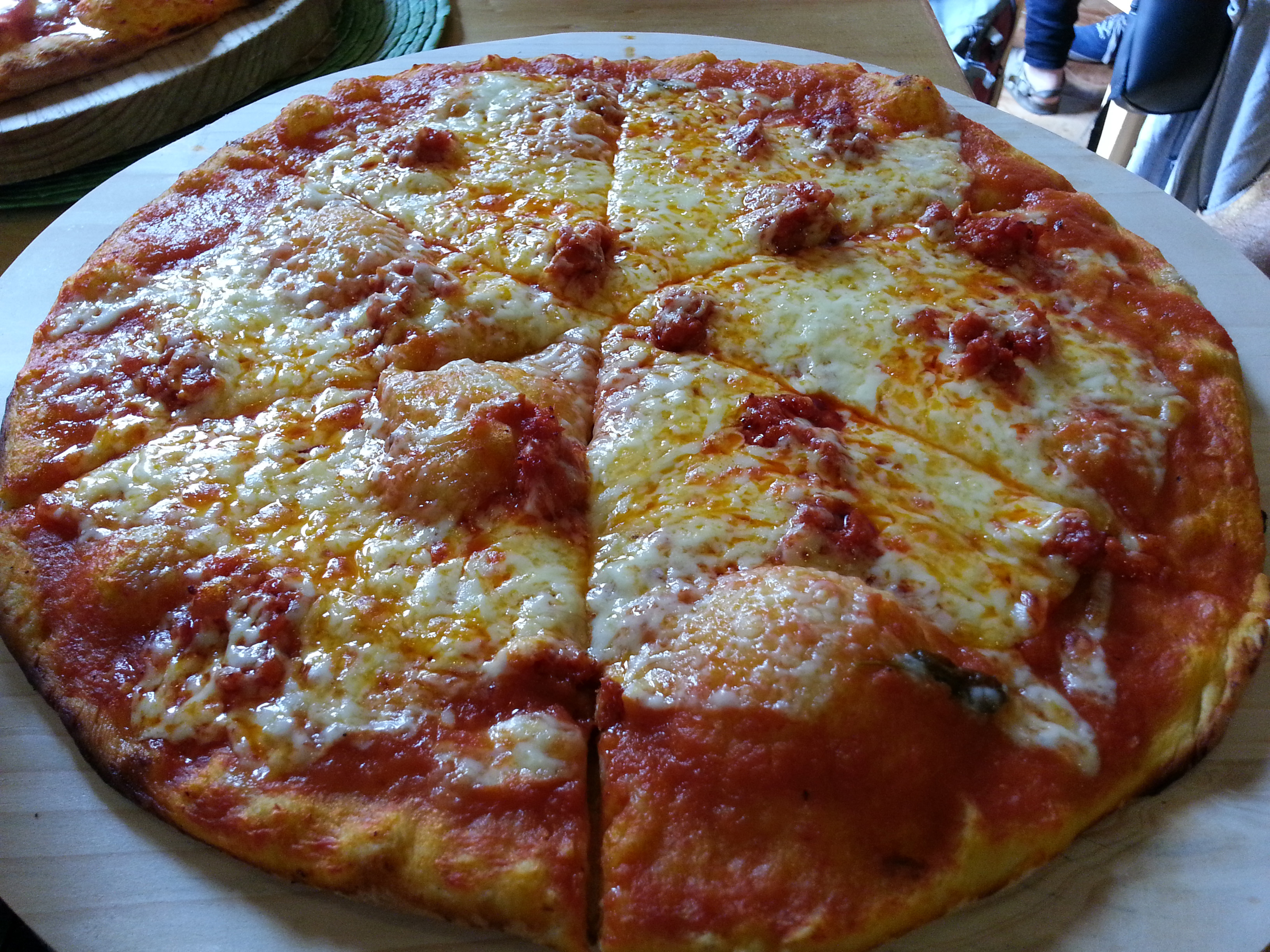
We opted for Napoli Pizzeria, located in the central historic district. It has three tables inside and three more outside, calling it small is an understatement. Yet, the flavors belie the diminutive space. The pizza oven is in the dining area, which can get pretty warm, but it also provides a direct view of the woman whose job it is to roll out the dough and load it with toppings.

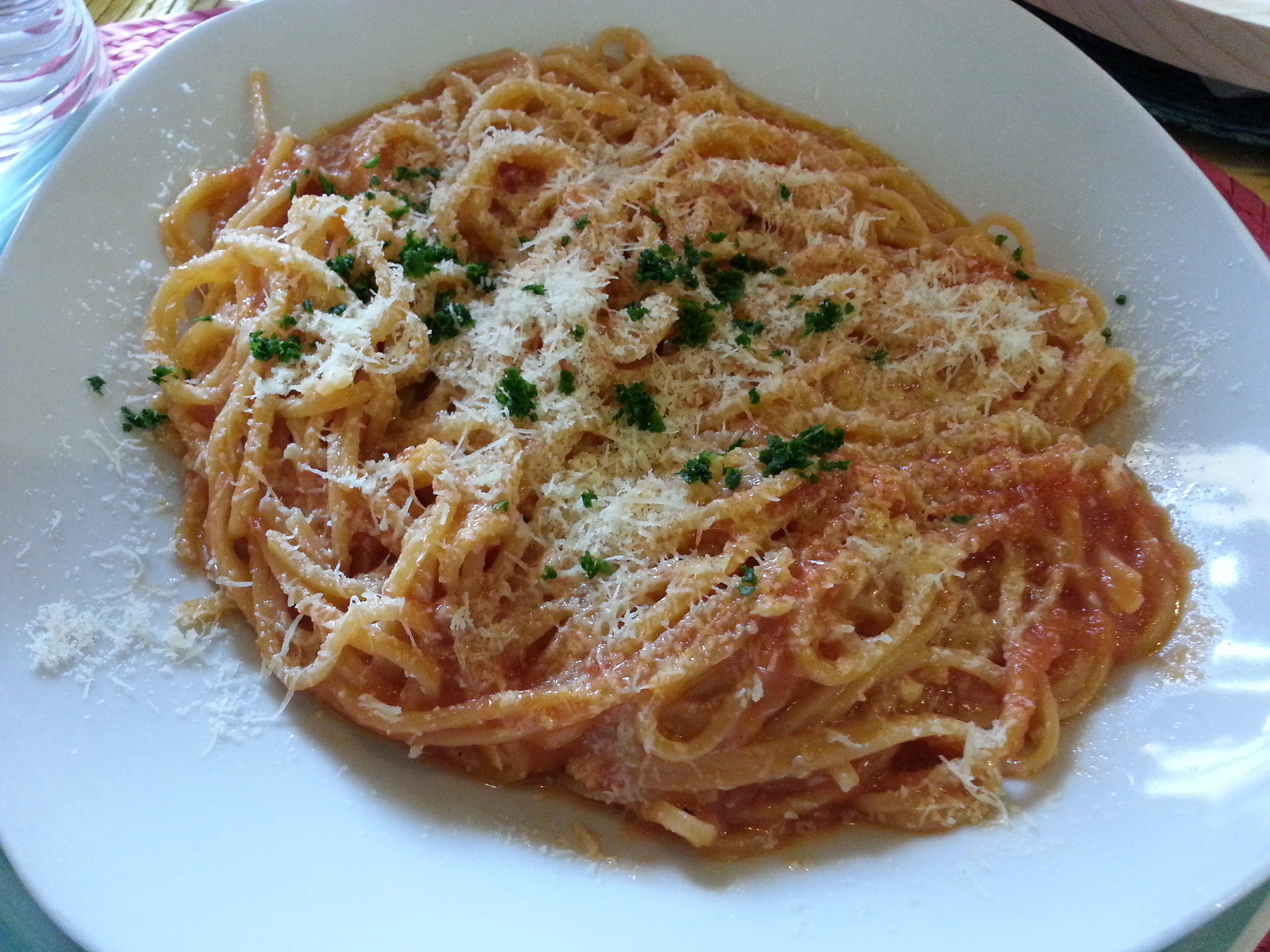
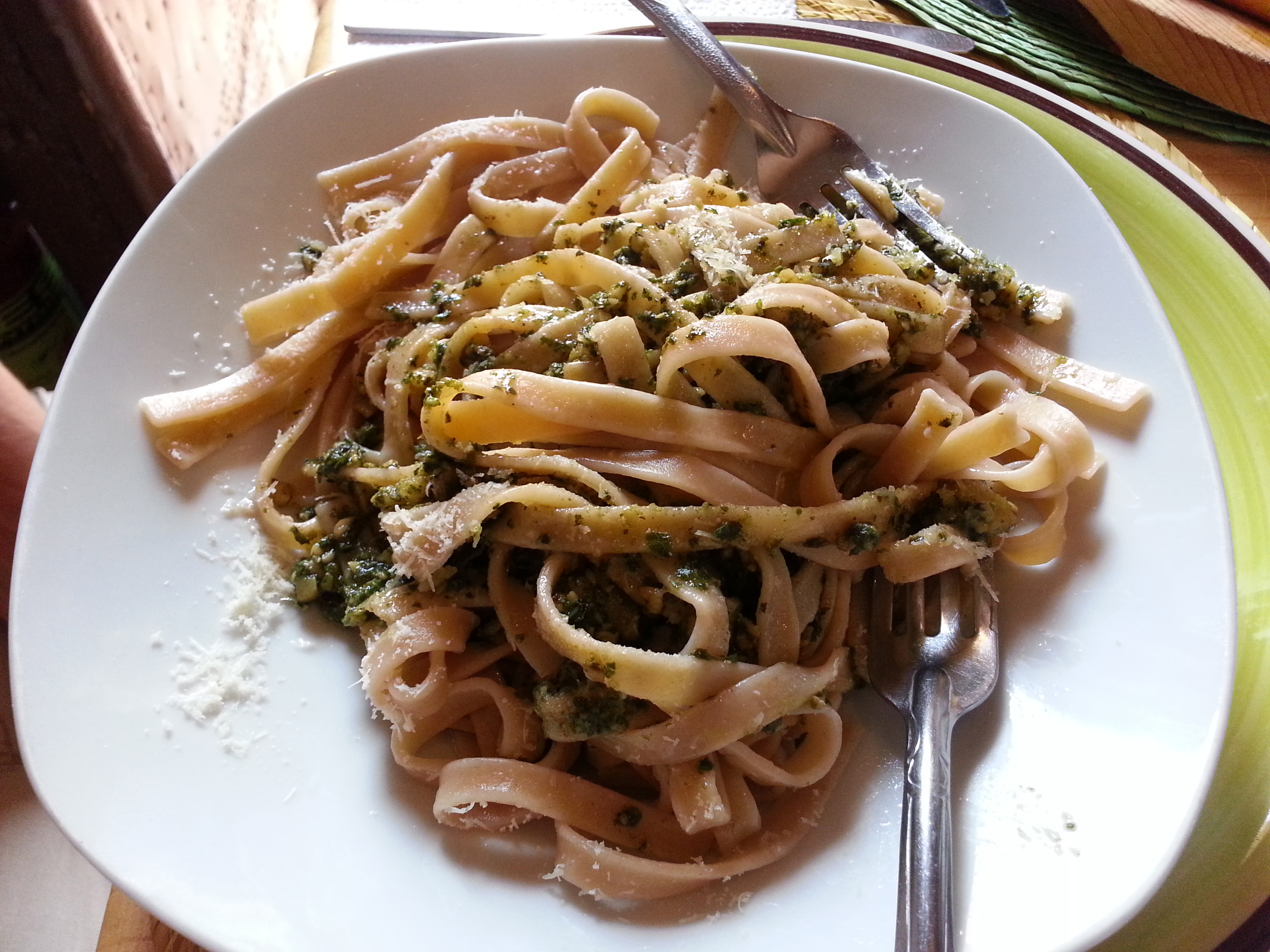
Besides pizza, two types of pasta are served. Both are freshly made on site and carefully measured, again in full view, before being taken to the kitchen for cooking. I ordered spaghetti pomodoro, a basic fresh tomato sauce with parmesan cheese. It was comfort food Italian style made in a Mexican kitchen. The fettuccini with pesto was also ordered. The pine nuts were evident and provided a nice balance to the basil mix. Both pastas were cooked al dente and the hearty servings left us more than satisfied.
Pizzas are available in three different sizes. We ordered two mediums with the intent of have leftovers later. Although the crust was thin, it was sturdy enough to hold the toppings. These included pepperoni, chorizo, and a variety of vegetables.
Napoli Pizzeria
Cuatro Platos
Real de Guadalupe
San Cristobal de las Casas, Chiapas, Mexico
The Mexican state of Oaxaca is well- known for its mole: seven types, although there are likely more. San Cristobal de las Casas in the state of Chiapas doesn’t have as many recognized variations, but certainly holds its own with its interpretations of this traditional dish.
I sampled three versions while in San Cris. Mole (mohlay) doesn’t photograph well. It’s a thick sauce the consistency of pancake batter and usually the color of tree bark: dark, except when it’s not. It can also be green, or red or orange. Green is especially unphotogenic, usually because of its base which can be tomatillos, spinach, pumpkin seeds or some combination of the above.
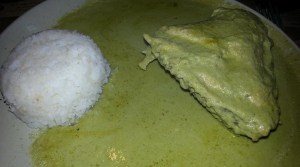
TierrAdentro mole
TierrAdentro’s version was bland. Served over chicken with a scoop of rice on the side, it was difficult to discern any distinct flavors.
At Casa Maya across from the main square, I opted for traditional mole. It had all the right nuances, but the problem was this was my third mole meal and followed the exceptionally prepared adaptation at Tierra y Cielo.
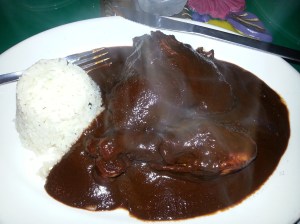
Casa Maya Mole
There, Marta Zepeda, an award-winning chef, puts an upscale spin by serving mole over poached chicken medallions and fried plantains. The depth of flavor was a complicated dance of numerous ingredients somehow following the same rhythm. Chocolate, sesame seeds, chiles, tomatillos, garlic, perhaps cinnamon, and much more contributed to what is now best I’ve ever eaten. Some say cocoa isn’t an ingredient, but we checked with our server just to confirm.

Tierra y Cielo Mole
I could easily have had mole my entire visit and I know someday I’ll try Oaxacan mole to compare, but for now I am satisfied with Zepeda’s.

Hate crimes, altruistic youth, deception and not fitting in are themes driving James Klise’s The Art of Secrets. Although this falls into the young adult genre, there’s no age limit to the ideas behind his novel.
Fifteen-year-old Saba Kahn is a first generation American of Pakistani descent. Her family’s two-bedroom apartment and all its contents are lost in a fire, believed to be a hate crime. Saba is a scholarship student at a Chicago private school, where the student body rallies behind two fellow students who conceive of a fundraiser to help the Kahns.
Klise is masterful in the way the story unfolds. His characters are vivid, thanks to each sharing his or her perspective and unique voice. Each chapter is told either through the use of a diary, emails or in separate one-sided conversations with a reporter, the police and an insurance adjustor. It’s clever and effective. Beginning with Saba’s diary entry a few weeks after the fire, the story follows the fundraising efforts, with asides from school administration and their not-so-subtle efforts to appear open-minded. Saba, a bright, gifted student, is suddenly the center of attention. Those who had previously walked past her in the hall suddenly see her. She’s somebody. Meanwhile, Javier, an exchange student from Spain, is nearly invisible to those around him, including his host family who insist on calling him “Savior.”
This poignant story, with a twist, is filled with humor as Klise demonstrates the ease of believing something we want very much to believe.
The Art of Secrets
Four Bookmarks
Algonquin, 2014
255 pages

Camilla Lackberg’s The Ice Princess is my recent discovery in Scandinavian crime genre. She’s touted as Sweden’s version of Agatha Christie. While I might not go that far, I did enjoy the mystery set in Fjallbacka, a Swedish fishing village turned tourist community north of Goteborg.
It’s no surprise that within the first few pages a body, an apparent suicide, is discovered. The twists come in the form of small town connections. Erica, the second (living) person on the scene is a childhood friend of the victim, Alex. The two had lost touch with one another long ago, but Erica has fond memories of their friendship.
Erica, an author of biographies, is asked by Alex’s parents to write what amounts to an expanded obituary. They are convinced Alex did not kill herself. The more Erica learns of her estranged friend, the less likely it seems that Alex would have taken her own life.
Plenty of characters populate Lackborg’s novel, and surprisingly few are extraneous. Besides Erica, a major player is Patrik, a local police officer. They, too, had known each other as kids. As a boy, Patrik was enthralled by Erica. Alex’s death brings them together in more ways than one.
Lackberg doesn’t rely on the mystery; she includes romance, domestic violence and long-held secrets. The result is an engaging story that moves at a comfortable pace. It’s not necessarily a rapid-page turner, but is likely to keep you reading later at night than you might like.
The Ice Princess
Four Bookmarks
Pegasus Books, 2010
393 pages

Maeve Binchy died in 2012. Since then, two posthumously published works made their way to readers. And as much as I’d like to keep reading her poignant, if often overly-sentimental, stories, enough is enough. I previously reviewed A Week in Winter here. It was typical Binchy full of coincidences, lessons learned and colorful characters; it was fun to read. Unfortunately, I am less enthralled by Chestnut Street, a collection of unrelated vignettes – or chestnuts, if you will.
Like her more complete novels, Binchy’s characters reflect humor and insight into human failings and triumphs. The stories touch on lost loves, personal sacrifices and family relationships. However, the residents of this fictional neighborhood need further fleshing out. Obviously, that’s not going to happen.
The title, Chestnut Street, is what ties everything together, but the strands are too loose. The collection reads as if someone simply went through and identified a place to insert the name of the fictional Dublin road. It doesn’t work. All the characters share an address, but no one has a connection to anyone else. The stories are short, more like sketches. Just because they bear a faint semblance to her style, doesn’t mean they’re book-worthy. What’s next, a compilation of her shopping lists or recipe file?
Binchy was prolific. My suggestion is to read the works she completed, and if you have already done. Start over. That will be far less disappointing than trudging along Chestnut Street.
Chestnut Street
Two-and-a-half Bookmarks
Alfred A. Knopf, 2014
368 pages

With one exception, we’ve yet to be disappointed with our dining experiences when visiting Crested Butte; that singular incident involved service not food. Still, there’s no better stamp of approval for a restaurant than the number of locals who frequent it. We were surprised, and encouraged, by the impressive number of CB residents at The Last Steep Bar and Grill for a mid-afternoon lunch where we snagged a table with a great vantage point on all the activity.
It’s one thing for locals to patronize local establishments, but it’s another when out-of-towners are made to feel welcome. Such was the case at the Steep.
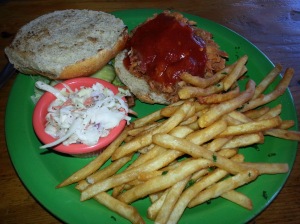
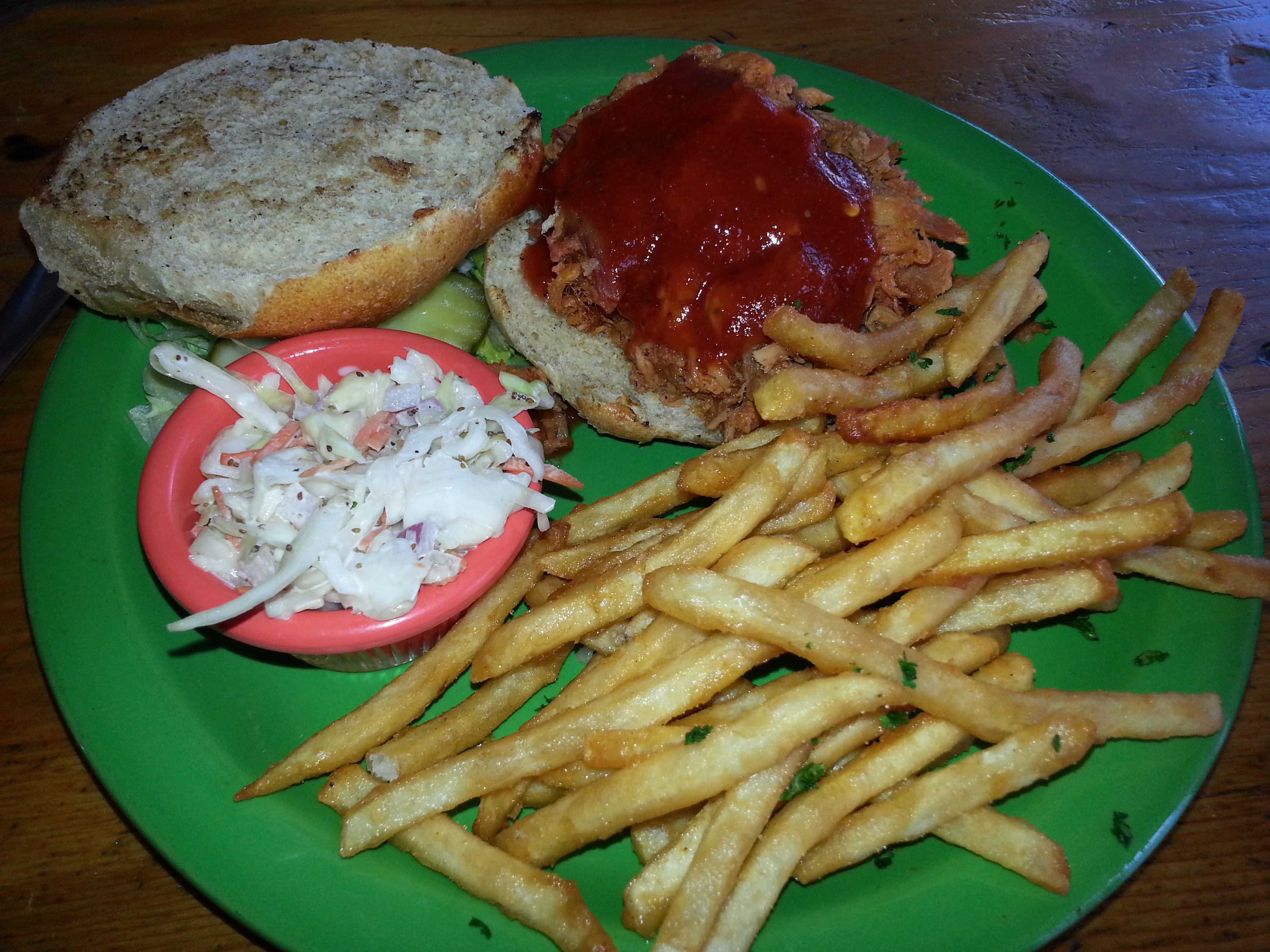
Although it took a little while for our order to be taken, we understood why: the place was packed inside and out. Still, service was friendly and we were never made to feel rushed. The menu features a large selection of sandwiches ranging from burgers to wraps, from a Turkey Club to PoBoys. Salads are also available. My husband ordered the Kansas City Chief: a Kaiser bun piled with pulled pork topped with house-made barbecue sauce, which was more spicy than tang. Bottles of the stuff are sold on-site, as evidenced by a man who bought a case.

I was pleased with my Sweet Potato and Black Bean Tacos. Corn tortillas warmed on the grill enveloped the sweet and savory filling enhanced by melted cheese, diced tomatoes, sour cream and salsa. It came with warm chips dusted with chile powder.
We felt right at home.
The Last Steep Bar and Grill
208 Elk Ave.
Crested Butte, Colo.

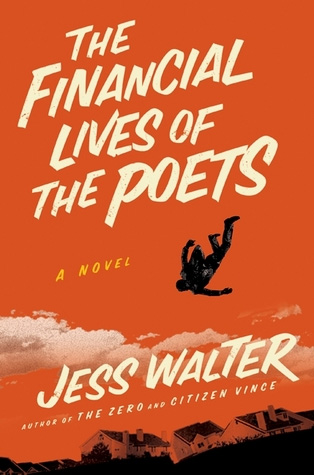
Jess Walter takes satire to a new level in The Financial Lives of Poets, a look at marriage, social media, unemployment and breaking the law. Matt Prior is an unemployed financial journalist and a would-be poet. His senile father lives with Matt, his wife and their two young boys. Matt is convinced his wife is having an affair. When he isn’t busy writing poems about the direction of his life, he stalks his wife’s online activities.
Walter instills humor and pathos in his characters. In fact, these elements are so evenly balanced it’s difficult to choose a preference. It’s funny that Matt meets two young hoods late at night at a 7-Eleven; it’s pathetic when he continues the relationship. It’s amusing when Matt comes up with an idea to save his home from foreclosure; but it’s sad to realize the extent of his debt and desperation.
The novel’s title comes from another of Matt’s bad ideas, although this one is completely legal: a website with financial news written in blank verse. Matt left his job at the local paper to pursue this not surprisingly unsuccessful venture. It’s not that the poetry is weak, only that, for better or worse, poetry simply doesn’t appeal to everyone; and as it turns out, particularly not financial types.
The Financial Lives is suggestive of a Breaking Bad Lite. The motivation for making ill-conceived choices is understandable, even if it cannot be condoned. The farther Matt sinks, the less intriguing the story. It wears thin.
The Financial Lives of Poets
Three Bookmarks
HarperCollins, 2009
290 pages
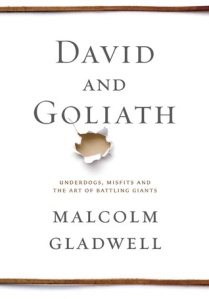
The story of David and Goliath is so familiar making it the perfect set up for Malcolm Gladwell’s examination of beating the odds. In David and Goliath: Underdogs, Misfits, and the Art of Battling Giants, Gladwell blends storytelling with psychology and hard cold facts.
In the interest of full disclosure, I didn’t read Gladwell’s book; I listened to the audio version. I’ve read most of his other works, and enjoy his essays in The New Yorker. Although Gladwell is not the reader on the CD version, his is a unique voice. He shares insights about what makes us tick and manages to find common ground making it easy to relate to his thesis: even in daunting situations it’s possible to achieve success.
This concept may come as no surprise, but many of Gladwell’s examples might since some are contrary to preconceived ideas. His stories focus on personal experiences of others relating to higher education, dyslexia, loss of a child, and even sports. Parenting and financial success are among several subpoints.
What makes this work unique isn’t that Gladwell acknowledges the triumphs of the often-minimalized, but he shows that their accomplishments do not always emerge from the usual places. He acknowledges that making the most of situations certainly contributes, but it’s necessary to consider more than the obvious. For example, he discusses class size and its impact on academic prowess. We might think small class size is better, but, like other points in the book, Gladwell shows why this is faulty.
David and Goliath: Underdogs, Misfits, and the Art of Battling Giants
Four Bookmarks
Recorded by Jared O’Donnell
Little Brown Hatchette Audio, 2013
Unabridged, 7 hours