
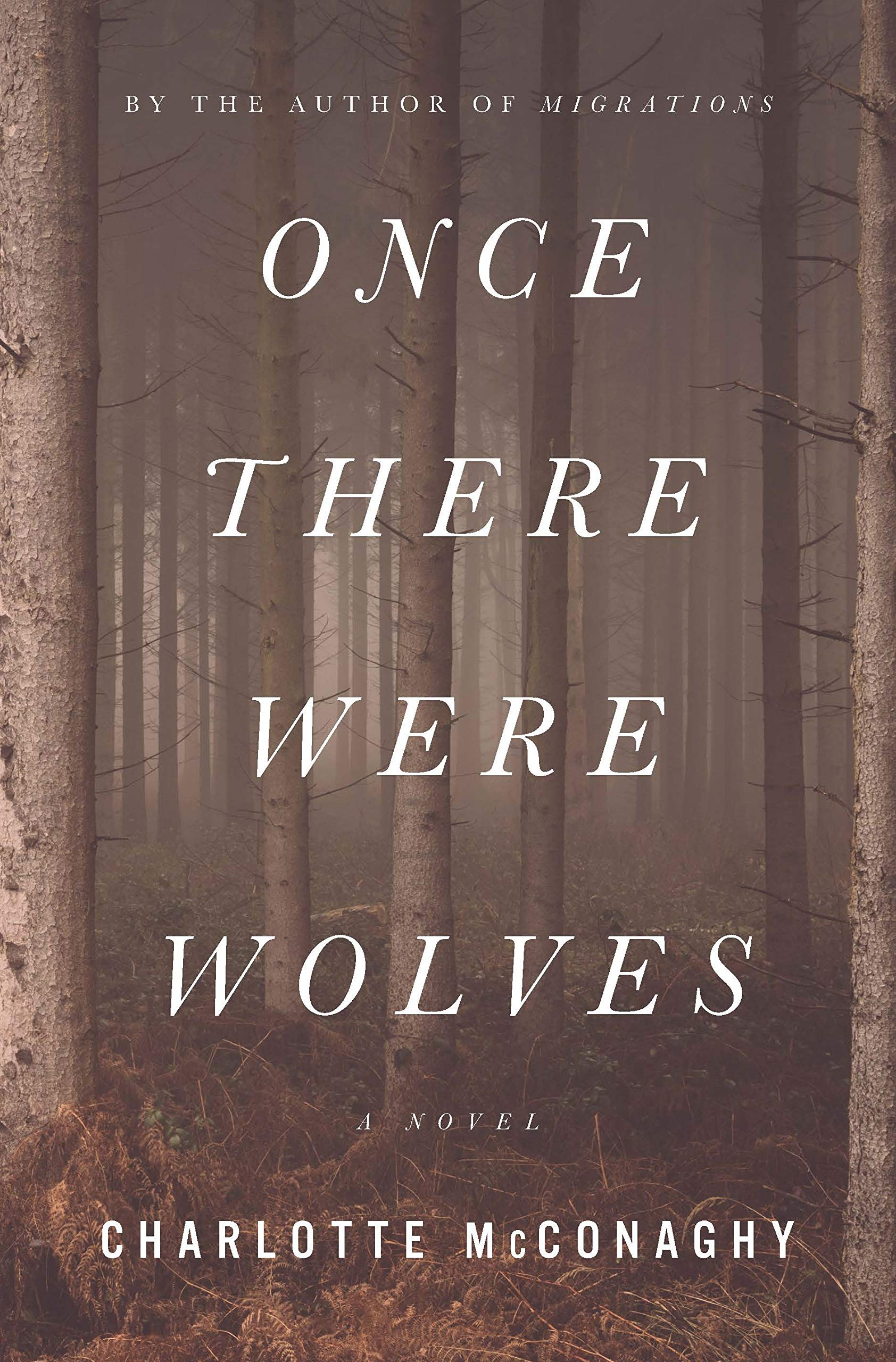
As in her subsequent novel, Wild Dark Shore (reviewed here earlier this year) , Charlotte McConaghy integrates climate change and intrigue but this time it’s Once there Were Wolves. Both works also include challenging romantic relationships.
Inte Flynn, a biologist, is part of a group charged with reintroducing 14 wolves to the Scottish Highlands. The locals are not happy with the possibility of their livestock becoming prey and have little interest in hearing what value the wolves have for the environment. This leads to distrust between the scientists and residents.
It’s not long before a man is murdered, which many attribute to the wolves. Inte has her doubts. While she works to disprove the townspeople’s fears she becomes romantically involved with the local police chief. Both are mysterious about their pasts.
Inte has brought her twin sister, Aggie, with her to Scotland and their past slowly unfolds, with the novel’s main focus remaining on the town’s reaction to the wolves and the murder. There’s heartache in each element of the narrative, particularly involving Aggie.
McConaghy’s pacing, the alternating chapters of past and present events make this an engaging work. It’s a tense, beautiful and haunting story about different types of relationships, the environment and what it means to trust. The landscape is sorrowful and richly described. This is historical fiction with the potential to serve as a wake-up call regarding our environment.
Once There Were Wolves
Four bookmarks
Flatiron Books, 2021
256 pages